What to put in a welcome email sequence for your business
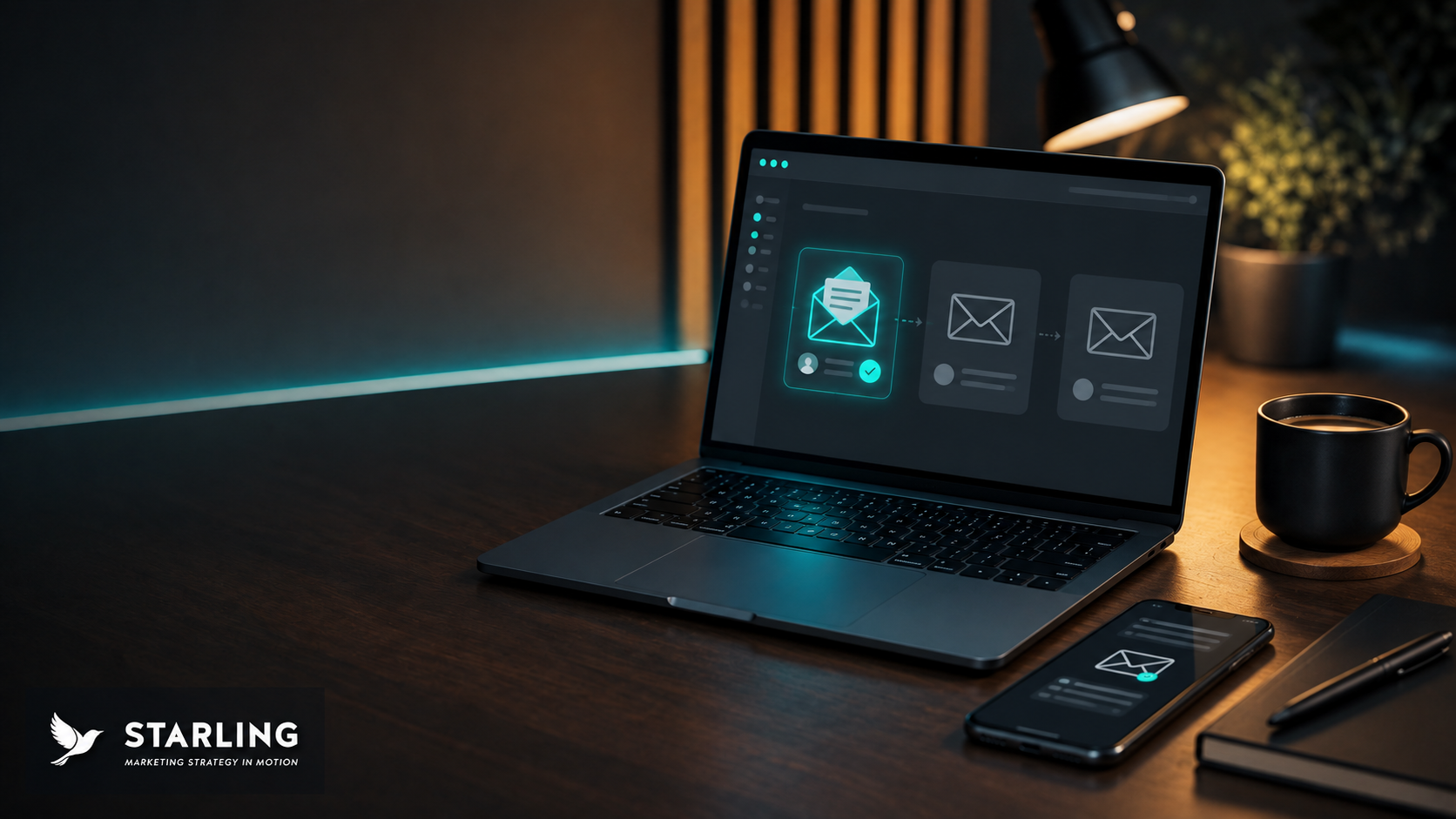
A welcome email sequence does more than acknowledge a new name on your list. It shapes how subscribers understand your business, delivers what you promised at signup, and guides them toward meaningful engagement. For Irish SME owners, this is practical relationship-building: turning someone who clicked a checkbox into someone who recognises your value.
Acknowledge the signup
Your first message should arrive while the subscriber still remembers filling out your form. A Mailchimp resource notes that welcome messages begin relationships by acknowledging new subscribers specifically, not treating them as anonymous list entries.
Avoid vague greetings like "Welcome to our newsletter." Instead, name the specific benefit they expected and indicate when they'll see it.
Deliver what you promised
If your signup form mentioned a downloadable guide or access to a private resource, include it in this first email. The delivery mechanism matters: attach PDFs clearly, embed video links with brief context, or explain how to access a resource.
Explain what messages to expect
State your typical sending frequency and the subjects you cover. This transparency helps recipients anticipate your emails rather than treating them as interruptions.
A Mailchimp resource suggests that welcome series help establish these expectations through multiple messages after signup, allowing you to unfold information rather than overwhelming new contacts immediately.
Address a relevant buying question
One message in your sequence should tackle a question your sales team hears repeatedly. This builds credibility without aggressive selling. The key is specificity: identify a particular concern for your audience segment and address it directly.
Offer a meaningful next step
Your final welcome message should propose a specific, low-friction action that suits where the subscriber now stands. This might be booking a consultation, joining a specialised mailing list, or accessing a relevant resource. The invitation should feel like natural progression, not abrupt sales pressure.
Plan for sequence exit points
Welcome sequences should not continue indefinitely. Identify clear conditions for stopping: when a subscriber purchases, when they reply requesting personal contact, or when they unsubscribe. Continuing automated welcome messages after someone has bought from you signals disorganised systems and erodes trust.
Test your suppression rules carefully. Verify that new subscribers receive the sequence while existing customers or previous contacts do not. Duplicate signups should not restart the full sequence from the beginning.
Test technical elements thoroughly
Before activating any welcome sequence, examine several practical components. Click every link across multiple devices to confirm destinations and mobile formatting. Send test messages to addresses using different email clients to catch rendering issues. Monitor the reply-to mailbox actively: welcome emails often generate direct responses, and ignoring these damages the relationship you are attempting to build.
Test subscription triggers by submitting forms as both new eligible subscribers and as existing contacts to confirm your segmentation rules work as intended.
Measure engagement appropriately
Focus instead on clicks on your priority links and direct replies to your messages. Track how many welcome sequence recipients progress to enquiry forms, consultation bookings, or other conversion points you have established.
If engagement drops sharply at a particular message, examine whether the content matches what you promised or whether the timing feels intrusive.
Sample message purposes
A practical welcome sequence might include:
- First message: immediate acknowledgement with promised content delivery
- Second message: explanation of ongoing email frequency and topics
- Third message: addressing a specific buying question relevant to your audience
- Fourth message: invitation to a concrete next step
The number of messages and intervals between them should reflect your business context and signup promise rather than fixed universal timing.
Frequently asked questions
How many emails belong in a welcome sequence?
There is no standard number that suits every business. Let your signup promise and subscriber needs guide structure rather than arbitrary conventions.
Should welcome emails include sales content?
Prioritise delivering value that matches subscriber expectations. Even then, frame invitations as clear next steps rather than pressure.
How do I know whether my sequence works effectively?
Monitor clicks on links that matter to your business goals and track replies that indicate genuine engagement. Low performance may indicate mismatched expectations, unclear content, or technical problems like poor mobile rendering. Test systematically and adjust based on observed behaviour rather than industry benchmarks.
Next steps
A well-constructed welcome email sequence respects subscriber attention, delivers promised value, and guides interested contacts toward deeper engagement with your business.
For Irish SMEs looking to develop email marketing that converts interest into action, explore our email marketing services to discuss your specific audience and objectives.